
Ground Protection Mats for Utility & Electrical Work
2026-04-20 · SIGMA Technical Team
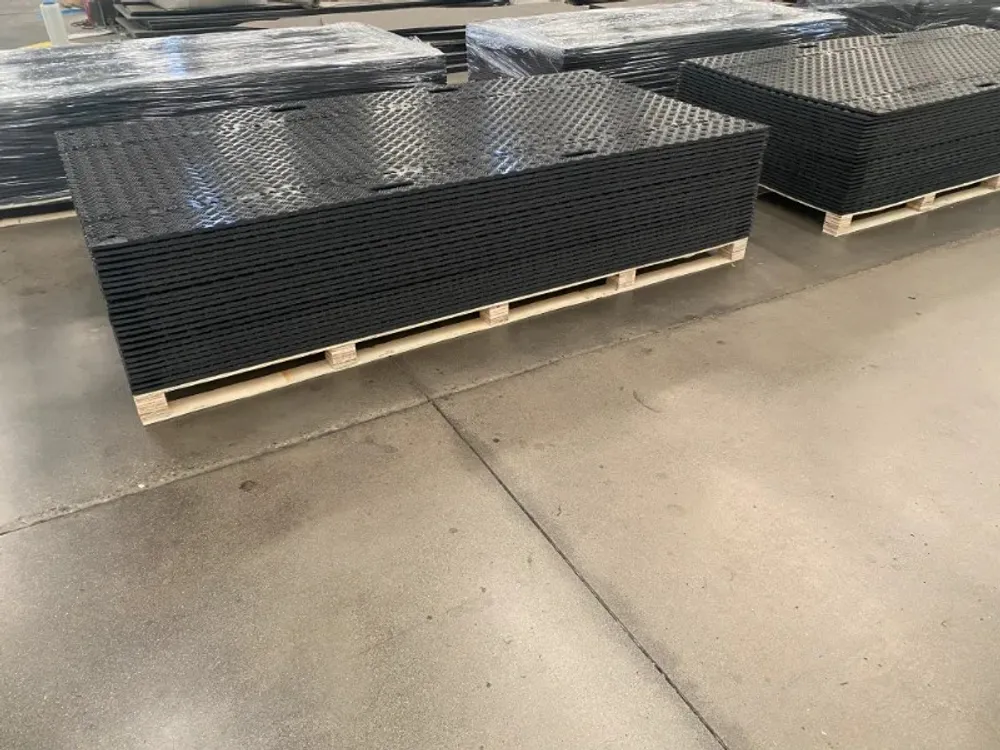
Non-conductive HDPE utility access mats protect verges and crews on cable, substation, and overhead line jobs.
Non-conductive by nature
For utility and electrical work, the first reason crews choose HDPE utility access mats over steel plate is simple: HDPE does not conduct electricity. That is an inherent safety benefit working near live cables, substations, and overhead lines, where a conductive plate is a hazard you have to manage rather than design out.
Protect verges and private land
Utility work constantly crosses grass verges, gardens, and farmland under wayleave. A ground protection mat spreads the load and leaves the surface intact, which reduces reinstatement costs and the wayleave disputes that follow a churned-up garden or a rutted field.
Fast to deploy for short jobs
Many utility tasks are quick — a joint bay, a pole change, a service connection. Hand-portable mats let a small crew lay an access route and a walkway and recover it the same day, with no plant call-out just to put the ground protection down.
Keep planned outages on schedule
Rot- and corrosion-proof panels perform in heat, frost, and rain, so a planned outage or a storm response is not derailed by ground conditions. The mats are ready whatever the weather, which matters when an outage window is fixed and overrunning it is expensive.
A network-wide reusable asset
Because the same mats work across cable, substation, and overhead jobs — and across general construction site access — and last years, a utility or its contractor treats them as a reusable fleet asset rather than a per-job consumable. Buy once, deploy across the network, and recover the cost over hundreds of short jobs.
Need mats for a project like this? Request a quote — we reply within one business day. Or explore the full product range.
Request a QuoteRelated articles
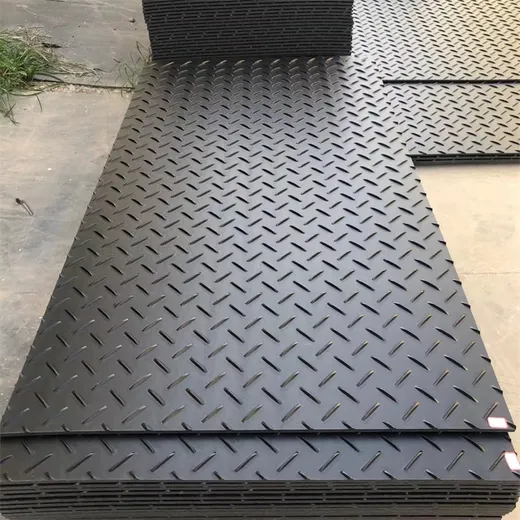
Ground Protection Mats for Oil & Gas Sites
Heavy-duty access platforms and drilling rig mats for remote, soft, and environmentally sensitive oil and gas sites.
Read →
Ground Protection Mats for Solar & Wind Projects
Temporary roads and crane platforms for solar and wind farm access — ground protection mats for renewable-energy construction on open, soft sites.
Read → Ground Protection Mats for Pipeline Projects
Pipeline access mats for right-of-way access and working platforms on linear pipeline construction over mixed terrain.
Read →