
How to Install and Link Ground Protection Mats
2026-03-27 · SIGMA Technical Team
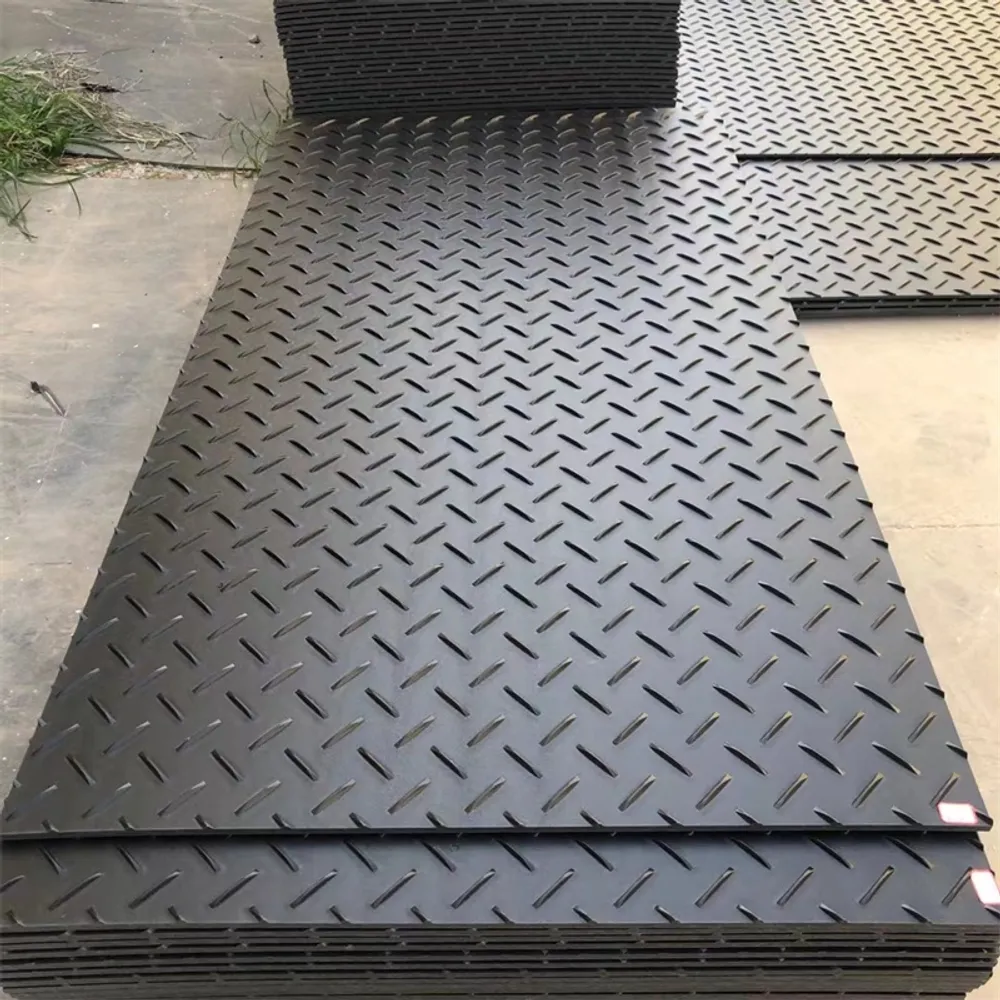
How to install ground protection mats: a step-by-step on laying, connecting, and recovering a temporary mat roadway.
Plan the route
Before you install ground protection mats, walk and mark the line. Note pinch points and turning circles, and clear large stones or debris that could rock a panel. A roughly level path performs best and helps with preventing rutting — spend ten minutes knocking off high spots and you get a flatter, quieter, longer-lasting road.
Lay and connect
Set panels end to end and link them with bolt-on plates or cam/turn locks. Connecting the mats forms a continuous surface that resists shifting and stops mud pumping up between them. An interlocking access mat locks together with a simple hex key, so there is no loose hardware to drop and lose in the mud.
Choose the working face
Lay the aggressive tread up for vehicles, or the finer side up for pedestrians and trolleys — the working face follows the same logic as choosing mat thickness and tread for your traffic. On a reversible ground protection mat you pick the face at install, then flip it later to renew grip and extend the mat’s life once the first side wears.
Stage the materials
Drop panels along the route in the order you will lay them so the crew works forward without doubling back. For hand-portable mats a two-person team sets a steady rhythm; for large panels, position the forklift or telehandler before you start rather than mid-run — see how a crew did it in this case study of a temporary roadway over soft ground.
Recover and store
Lift by the moulded handles, hose off the worst of the mud, and stack flat on a pallet — more on cleaning and maintaining HDPE ground mats. Clean, dry panels are ready to redeploy and store without bowing. Strap the stacks for transport, and the same mats go straight onto the next job.
Need mats for a project like this? Request a quote — we reply within one business day. Or explore the full product range.
Request a QuoteRelated articles
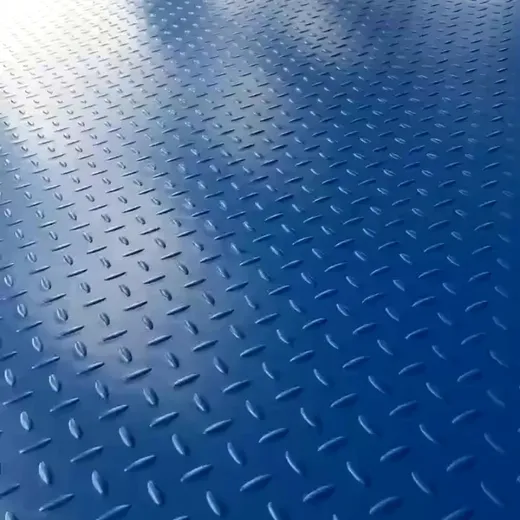
Cleaning & Maintaining HDPE Ground Mats
Cleaning ground protection mats and simple maintenance that keeps reusable HDPE panels safe and extends a 10–15 year life.
Read →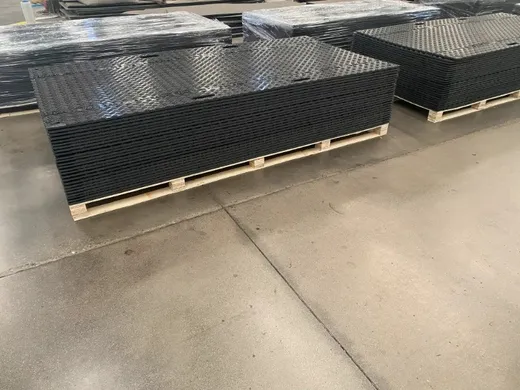
Preventing Rutting and Site Damage with Ground Mats
Preventing rutting saves money in remediation and downtime — how ground protection mats stop ruts on soft and muddy sites.
Read →
Modern Grass Grid Paver Ideas for Driveways, Patios, and Parking
Design ideas for modern grass grid pavers — how HDPE grids turn driveways, patios, and overflow parking into green, permeable surfaces that look sharp and hold up to traffic.
Read →