
How to Choose the Right Ground Protection Mat
2026-05-20 · SIGMA Technical Team
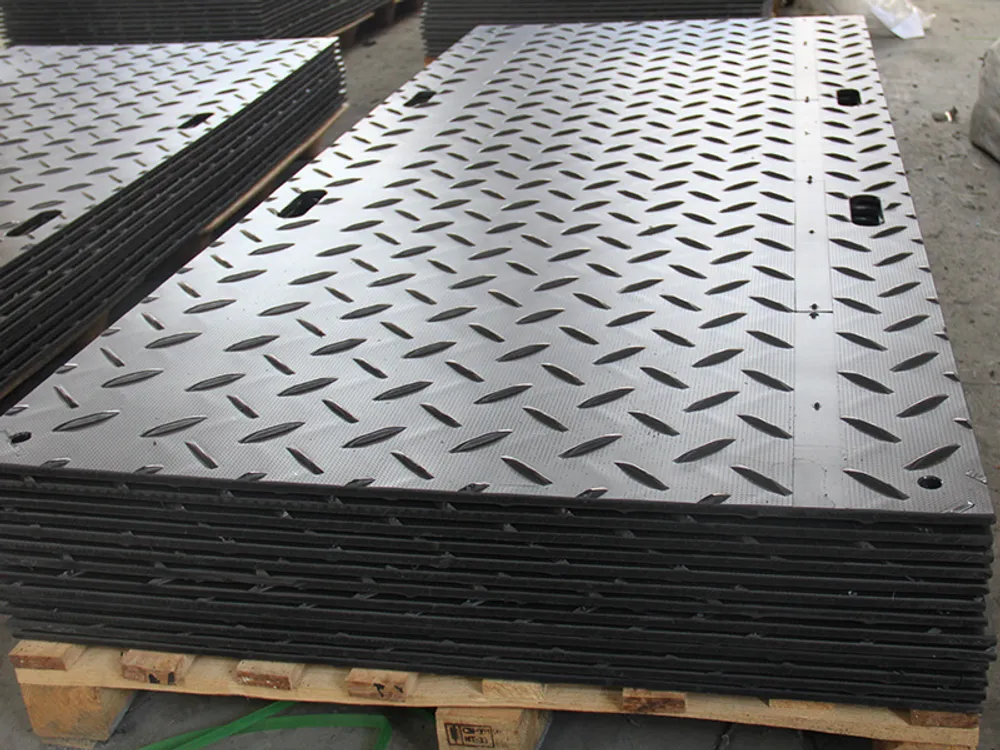
How to choose the best ground protection mats for your job — match thickness, tread, and connectors to your load, ground, and traffic.
Start with the load, not the mat
Choosing the right ground protection mat starts with one question: what crosses it? Foot traffic and pickups need a different mat from loaded tippers and tracked excavators. Light and standard 1/2 in (12.7 mm) panels suit crews and light vehicles; for trucks, dozers, and crane walking paths you step up to a thicker heavy-duty ground protection mat that will not over-flex under the wheel. Getting that match right is really a question of ground protection mat load ratings — spread load versus the point load under a track or wheel.
Read the ground
A mat spreads load — it does not turn soft ground into hard standing. On a firm, prepared sub-grade a standard ground protection mat is plenty. Over peat, marsh, or saturated soil you need the bigger footprint of an extra-heavy bog mat to drop ground bearing pressure to a level the soil can carry. Match the mat to the soil, not just the machine.
Surface and traction
Tread is about grip, not looks. A deep diamond tread bites into wet clay and stops wheels and tracks spinning on greasy ground; a finer texture is safer underfoot for pedestrians, so matching mat thickness and tread to your traffic is part of the same decision. Reversible mats carry the aggressive face for vehicles and a finer face for foot traffic, so one product covers both jobs — just flip to the working side you need.
Connectors and layout
Loose mats hop and creep apart under rolling loads, and mud pumps up through the gaps. Bolt-on link plates or cam/turn-lock couplers tie a run into a continuous, shift-resistant roadway — see how to install and link ground protection mats — worth it on high-traffic haul routes. For short, light access you can lay mats loose and save the connection time.
Virgin vs recycled HDPE
Recycled black HDPE is the most economical choice and is naturally UV-stable, which is why it is the default for site access. Virgin HDPE is used where you need white or bright colours and tight appearance control, such as event flooring and branded mats. Both are reusable for years and recyclable at end of life, so the choice — covered in full in recycled vs virgin HDPE for ground mats — is about colour and budget, not strength.
Size with a margin
Quoted load figures assume a competent, evenly prepared sub-grade. Rate a mat by the heaviest realistic point load, not the average, and keep a safety margin. For critical lifts or genuinely soft ground, have a competent person confirm conditions and size up — sometimes from an access mat to a bog mat, as in bog mats vs access mats — rather than risk a leg or a wheel punching through.
Need mats for a project like this? Request a quote — we reply within one business day. Or explore the full product range.
Request a QuoteRelated articles
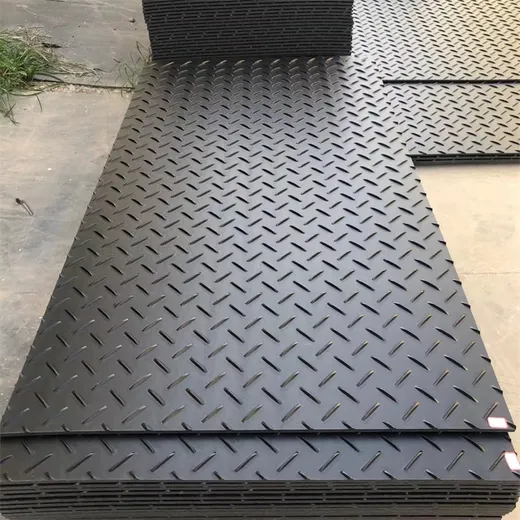
Which Ground Protection Mat for Which Machine
A site guide by equipment: which ground protection mat each machine needs — outrigger pads for cranes, track mats for excavators and dozers, access mats and temporary road surface mats for trucks on soft ground.
Read →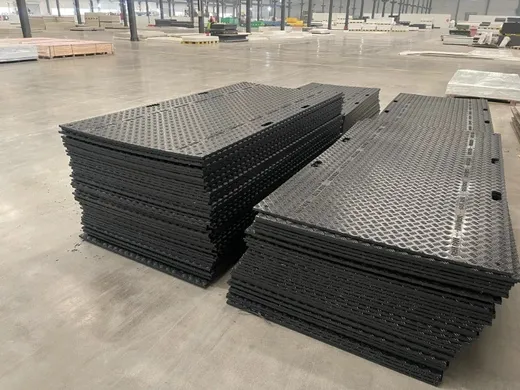
Ground Protection Mat Buying Guide: How to Choose Access Mats by Load Class
A specifier’s guide to choosing ground protection mats and access mats by duty class. Compare light, medium, and heavy-duty HDPE mats — load range, thickness, ground conditions, and typical applications — in one reference table, with a buyer’s checklist and FAQ.
Read →
Understanding Ground Protection Mat Load Ratings
Ground protection mat load rating explained: spread load, point load, and ground bearing pressure — what the numbers mean and how to size safely.
Read →